
Virtual power plants
A virtual power plant links home batteries into one coordinated fleet. When demand peaks, each battery sends a little stored power back to the grid.
You are paid for making yours available: an upfront NSW incentive, then ongoing credits from your provider.
Scheme figures from the NSW Government VPP incentive page, checked 2 September 2026.
What is a virtual power plant?
On its own, your battery stores daytime solar and runs the house through the evening.
In a virtual power plant, a provider coordinates thousands of home batteries and, when the grid needs support, draws a little from each one at once. Together they behave like one power station, which is where the name comes from.
The battery keeps running your home first, providers publish how much charge stays reserved for your backup, and the events themselves are short.
In exchange, the provider pays you. Depending on the program, that means sign-up credits, per kilowatt-hour payments during events, or better feed-in rates.
What joining involves
- An eligible battery. The battery must be between 2 and 50 kWh, connected to the grid and installed by an accredited installer. Every battery we install qualifies on size.
- A VPP provider and a compatible retailer. You need a provider offering the NSW incentive, and an electricity retailer that works with virtual power plants.
- A nomination form. An Accredited Certificate Provider creates the scheme certificates, and nothing is paid until the form is signed. A cooling-off period applies after you sign the contract.
- Getting paid. The incentive arrives in instalments, upfront, or as credit off your power bill, and it can be claimed once per electricity meter.
VPP capable and VPP connected
The federal discount requires a battery that is capable of joining a virtual power plant. The NSW incentive pays only when it joins one.
VPP capable: the federal rule
The federal Cheaper Home Batteries Program requires the battery and its inverter to be technically capable of joining a virtual power plant.
Capability is the only requirement. You do not have to join one to get the federal discount.
VPP connected: the NSW incentive
The NSW incentive pays only when the battery signs up, which takes a nomination form, a VPP provider offering the incentive, and a compatible retailer.
A battery discounted under the federal program can claim the NSW incentive too once it is connected.
Who runs the scheme
The incentive comes from the NSW Peak Demand Reduction Scheme, legislated to run until 2050 with no current closing date.
IPART administers it. Claims go through an Accredited Certificate Provider named on your nomination form.
What it pays
The upfront amount scales with the battery capacity made available to the grid, up to 28 kWh. NSW publishes no fixed dollar figure: each provider decides how much of the certificates' value reaches you.
NSW estimates ongoing participation is worth up to $300 a year on top.
The rebates
Three schemes matter for a NSW home connecting a battery to a virtual power plant. Sources: the NSW VPP incentive page and the Clean Energy Regulator, checked 2 September 2026.
NSW Virtual Power Plant incentive
The incentive is open now with no closing date. From 1 July 2026 batteries from 2 up to 50 kWh qualify.
The amount is calculated on capacity up to 28 kWh. One claim is allowed per electricity meter, and it arrives upfront, in instalments, or as bill credit.
Households that used the old NSW battery installation discount can still claim it. Apartment building batteries, off-grid systems and batteries over 50 kWh cannot.
Federal Cheaper Home Batteries Program
The program takes around 30% off the battery, delivered as small-scale technology certificates your installer applies to the quote.
The factor is 6.8 STCs per usable kWh until 31 December 2026, then 5.7 from 1 January 2027, stepping down every six months to 2030.
Batteries from 5 to 100 kWh qualify and the battery must be VPP capable. The discount stacks with the NSW VPP incentive.
NSW Home Energy Saver finance
A zero interest loan of up to $15,000 over up to 10 years covers a battery, or solar with a battery.
Loans are open now through Brighte and Plenti, for households with combined income up to $210,000.
A targeted discount of up to $4,000 opens later in 2026, for households with combined income up to $80,000 or an eligible concession card.
Key dates and countdowns for every current scheme are on our Rebates and Savings page, and Home Energy Saver has a guide of its own.
VPP incentive estimate
The NSW incentive is estimated in certificates, using the scheme's published formula and tables. The result is an estimate, not a quote, and not financial advice: your quote itemises the real figures.
How to apply
You do not lodge a government form, because the certificate provider claims the incentive for you. Your part takes four steps.
Install an eligible battery
The battery must be between 2 and 50 kWh, connected to the grid and installed by an accredited installer.
Your installer applies the federal battery discount to the quote and handles those certificates. A battery you already own can join too.
Choose a VPP provider
Pick a provider offering the NSW incentive, and check your electricity retailer works with virtual power plants.
We walk you through the current programs when we quote.
Sign the contract and nomination form
The nomination form names the Accredited Certificate Provider who claims the incentive for you.
Nothing is paid until the form is signed, and a cooling-off period applies after you sign the contract.
Get paid
The incentive arrives upfront, in instalments, or as credit on your power bill. One claim is allowed per electricity meter.
Ongoing event credits from your VPP provider follow on top.
Which VPPs take our batteries
- AGL Bring Your Own Battery
AGL takes Powerwall 3, SigenStor and Sungrow SBR, with a published 20% backup reserve commitment on all three.
Members get a $200 welcome credit, $1 per kWh in event credits capped at 250 kWh a year, and $80 a year in quarterly credits. There are no exit fees.
- Origin Battery Lite, on Origin Loop
Origin takes Powerwall 3, the SigenStor range and Sungrow SBR064 to SBR256.
It pays a $200 sign-up credit and $1 per kWh during events, up to 200 events a year, with no lock-in. It needs an Origin electricity plan and a solar system of at least 5 kW.
- Amber SmartShift
Amber takes Powerwall 2 and 3, Sigenergy systems with a Sigen gateway or sensor, and Sungrow.
It passes the wholesale price through, with feed-in up to $19 per kWh during price spikes, for a $25 monthly subscription and no lock‑in.
- EnergyAustralia Battery Ease
EnergyAustralia lists Tesla, Sigenergy and Sungrow batteries.
It pays $15 a month in bill credits plus 8c per kWh on the first 10 kWh exported each day. VPP use is capped at 200 kWh a year and one cycle a day, and you can leave with 30 days written notice.
- ENGIE VPP Advantage
ENGIE lists Powerwall 2 and 3, Sigenergy, Sungrow and AlphaESS.
It pays around $500 in sign-up credit on eligible electricity and gas offers plus about $20 a month, with no exit fees.
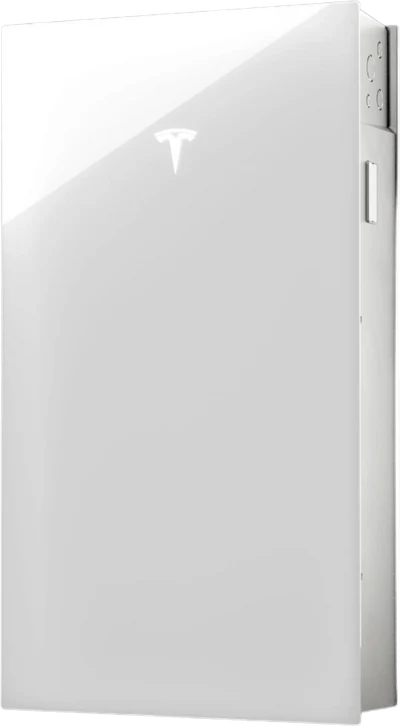
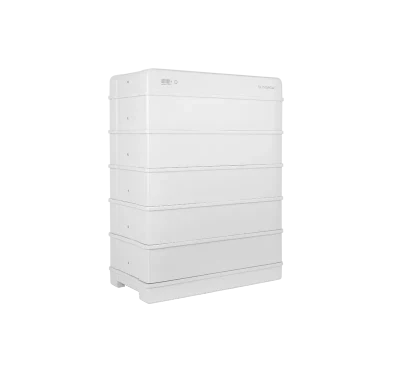
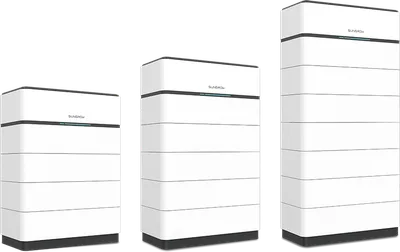
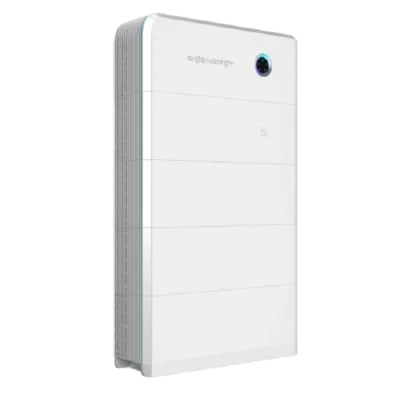
The batteries we install
Each battery's page lists the manufacturer's full published specifications.
Frequently asked questions
- Do I have to join a VPP?
- No. VPP participation is optional and should be chosen carefully.
- Can I opt out of a VPP later if my needs change?
- It depends on the contract. Many VPPs allow changes after a term or with an exit fee. Independent installs make it easier to compare VPP contracts upfront or run your battery without a VPP.
- How does the ShineHub VPP compare?
- It pays incentives for controlled battery discharge. Independent installs let you pick your VPP or opt out after checking contract terms.
- Do Tesla Powerwalls qualify for rebates?
- Yes. Eligibility depends on location, timing and system design.
- Is Powerwall worth it without a rebate?
- That depends on your usage and goals. Rebates help, but they shouldn’t drive the decision.
Receive your free quote
We design the system around your bills, your roof and your switchboard, itemise every incentive you qualify for, and walk you through the VPP contracts your battery can join.